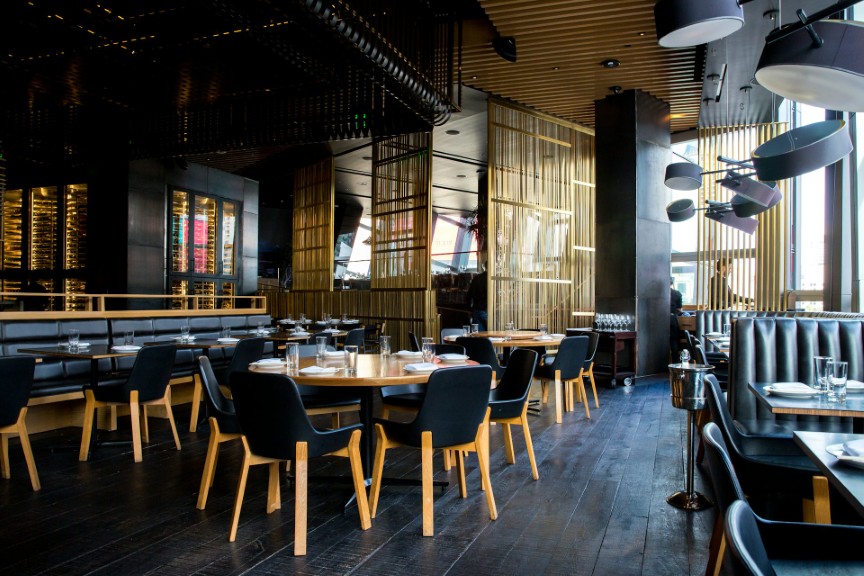
In a busy restaurant, service quality is often judged in the small moments: how quickly a guest gets attention, whether a refill arrives without a raised hand, and how smoothly staff move through a crowded floor. A environments addresses exactly those moments. It does not replace attentive hospitality; it supports it by making service requests visible, reducing guesswork for staff, and helping guests feel looked after without needing to wave, wait, or interrupt the rhythm of the room.
Why restaurants are turning to wireless calling systems
Traditional floor service depends heavily on line of sight, memory, and constant movement. That works in smaller or quieter settings, but it becomes harder when the dining room is full, outdoor seating is active, or a lean team is covering multiple zones. In those situations, even capable staff can miss subtle signals from guests. A wireless calling setup creates a direct, simple path between the table and the team.
For guests, the experience feels more discreet and more comfortable. Instead of trying to catch a server’s eye, they can request assistance in a measured, respectful way. For staff, the benefit is clarity. They can prioritize active requests rather than making repeated sweeps of the floor with no clear sense of where attention is needed most. That shift can improve workflow, reduce unnecessary walking, and make service feel calmer even during peak hours.
This is especially useful in restaurants with:
- Large dining areas or multiple seating sections
- Outdoor, terrace, or rooftop service
- Family dining where guests may need frequent assistance
- Cafés and quick-service formats with hybrid table support
- Banquet spaces, lounges, or hotel dining rooms
How a Wireless Waiter Calling System For Restaurant service works
Most systems are straightforward by design. A call button is placed at the table, on a wall, or in a service zone. When pressed, it sends a wireless signal to a receiver, display panel, watch receiver, or handheld unit used by staff. The alert usually identifies the table number or service point, allowing the right person to respond without delay.
The simplicity is part of the value. Good systems are meant to work with minimal training and little disruption to existing service styles. A fine-dining restaurant may use them discreetly to preserve elegance, while a casual outlet may use them to speed up routine interactions such as ordering, billing, or water requests.
Depending on the setup, the workflow often follows a few basic steps:
- A guest presses the call button when assistance is needed.
- The assigned display or receiver alerts the service team.
- Staff identify the table or zone immediately.
- The request is attended to and cleared from the queue.
That direct sequence reduces dependence on chance observation. It also helps managers structure service by zone, which is useful when one team member covers the floor, another handles billing, and another supports food running.
Where the biggest operational gains usually appear
The strongest advantage of a wireless waiter calling system is not just speed. It is service precision. When requests are visible in real time, staff spend less energy guessing where they are needed and more energy responding where they add value.
Better guest comfort
Many diners dislike calling out to staff or signaling repeatedly. A table call button removes that friction. The room feels more composed, and guests retain a sense of privacy and control over the pace of service.
Improved staff movement
Without a clear request system, servers often make broad patrols across the floor. That can be tiring and inefficient, especially in bigger venues. Wireless alerts let staff walk with purpose. Over the course of a shift, that can help reduce wasted movement and sharpen response times.
More consistent coverage across zones
Some restaurants naturally have blind spots: corners, mezzanine levels, cabanas, terraces, or private rooms. A call system helps those areas receive more even attention. It can also reduce over-servicing nearby tables while under-servicing those farther away.
Smoother peak-hour service
At busy lunch and dinner periods, a calling system creates order. Not every request carries the same urgency, but every request becomes visible. That visibility helps teams prioritize quickly and avoid the common problem of several small guest needs piling up unnoticed.
What to evaluate before buying in India
Not every restaurant needs the same setup, so the right purchase starts with the floor plan and service model. A compact café may only need a modest table calling arrangement, while a multi-zone restaurant or hotel outlet may need stronger range, multiple receivers, and more durable hardware. Before choosing, it is worth reviewing a few practical criteria rather than focusing only on price.
| What to check | Why it matters |
|---|---|
| Signal range | Essential for larger dining rooms, upper floors, and outdoor seating. |
| Build quality | Buttons and receivers should withstand daily handling, spills, and long operating hours. |
| Ease of installation | A simple setup reduces downtime and makes expansion easier later. |
| Display clarity | Staff should be able to read alerts quickly in real service conditions. |
| Battery and maintenance needs | Low-maintenance systems are easier to manage across busy shifts. |
| Local support | Reliable after-sales help matters when the system is part of daily operations. |
For buyers comparing local support and installation suitability, Wireless Waiter Calling System For Restaurant options from DineBellSolution are worth reviewing alongside your seating layout, service style, and expected daily volume. In India, that practical fit often matters more than choosing the most feature-heavy unit on paper.
It is also wise to think beyond the main dining room. If the business handles waiting queues, takeaway collection, or banquet events, a provider with waiter calling and guest paging capabilities may offer a more flexible long-term solution. DineBellSolution operates in that broader context, which can be useful for hospitality businesses planning for growth rather than a one-time equipment purchase.
How to introduce the system without disrupting hospitality
The best results come when the system supports service culture instead of replacing it. Guests should still be greeted properly, staff should still scan the room attentively, and managers should still train for warmth, timing, and table awareness. The calling system works best as a support layer.
A careful rollout usually includes:
- Clear table placement: Buttons should be easy to reach but not intrusive.
- Simple staff training: Everyone should know who responds, how requests are cleared, and what priority rules apply.
- Guest guidance: A brief line from staff is often enough to explain how the call button works.
- Zone ownership: Assigning responsibility prevents duplicated responses or missed alerts.
- Routine checks: Battery status, receiver visibility, and signal performance should be reviewed regularly.
Restaurants should also monitor the kinds of requests being made. If guests are mainly pressing for water, billing, or menu help, that pattern can reveal where service flow can be improved. In that sense, the system is not only operational equipment; it can also highlight pressure points in the dining experience.
Conclusion: A Wireless Waiter Calling System For Restaurant service is a practical investment in smoother communication, better guest comfort, and more disciplined floor management. Its real strength lies in quiet efficiency: guests get attention without awkward signaling, and staff can work with clearer priorities during the busiest parts of the day. For restaurants in India that want to sharpen service without changing the character of hospitality, a well-chosen waiter calling and guest paging system can be a small change that makes the dining experience feel significantly more polished.
——————-
Discover more on Wireless Waiter Calling System For Restaurant contact us anytime:
Waiter Calling System For Restaurant & Cafe | Dinebellsolution
https://www.dinebellsolution.com/restaurant-wireless-calling-system
+919725658642
Ahmedabad, Gujarat
Revolutionize your restaurant with our advanced wireless waiter calling system & pager system. Enhance service efficiency and streamline operations in India By Dine Bell Solution